Saturday, August 4, 2007

Difference Between Bisquick And Krusteaz

Beer


Every day is more frequently consulted our emergency service for young women seeking the pill the day after.
consulted a few days ago a young man asking the pill, the administration was going to reject signals that should come your partner, why ask?, It is good that comes, the responsibility lies with both. Apart
Public Services can be accessed free at pill ICMER.

If you need the emergency contraception pills (ECPs), you can seek guidance in the Office of ICMER.

Address: José Victorino Lastarria 29, Depto 101, Santiago - Centro. (Metro Catholic University, north sidewalk). Fono

query: (2) 6335887

Wednesday, August 1, 2007

Why Does Poop Give Me A Stomach Ache

LIFE RECYCLING

Not all body organs can be donated, but those who can donate to help improve the quality of life for people with chronic diseases.


Corneas: allow light to enter the eye and is used for infections, and perforations opaque corneas. Visual recovery takes 1 year or so, however, is the most successful transplant because the patient enjoys a good vision for life.


Lung: is where gas exchange takes place: our ocuerpo removes CO2 and incorporates oxygen the blood carries to the tissues. This transplant is used in emphysema (fibrosis of alveolar sacs), hereditary lung blockages, chronic infections and thickening of lung tissue, reducing its capacity. 80% of patients survive 1 year after being transplanted, and 60% remained alive for a period of 4 years.


Heart: The heart pumps blood throughout our body, so that oxygen gets picked up in the lungs. Transplantation is indicated when there is severe disease of the coronary arteries (those supplying the heart), and severe heart valve disease or congenital impairment. If the rejection of the tissue is adequately controlled with medication and care, the patient may live 10 years.


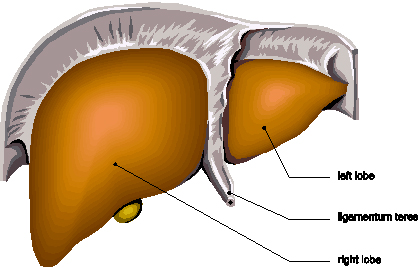
Liver: summarizes different proteins, and detoxifies the body of substances coming through the intestines. It is used in cases of chronic liver damage, primary biliary cirrhosis, chronic infections, birth defects and metabolic disorders. It is estimated that 75% of patients survive at least 3 years after surgery.
Pancreas: digestive enzymes and hormones that are released into the bloodstream. Used predominate in patients with Type I Diabetes Mellitus 80% of patients do not require insulin treatment for at least 1 year after transplantation.


Kidney: produce an ultrafiltrate of the blood, removing waste as urine. Is transplanted in case of high blood pressure, severe and uncontrollable, severe infections, diabetes and congenital abnormalities. The patient r'ñón gralmente. not removed, but it puts the glasses back and connect with those who go to the leg and the bladder. 90% of transplant patients are healthy after 1 year and 80% at 3 years. At 15 years of transplant, 50% of kidneys are functioning.


Bones: estructuta are the body and provide protection to vital organs. It is used in case of loss of bone substance and force to remove tumors and lhueso affected. Their success translates into a decrease in pain by up to 80%.


Skin: is the first nuesro body's protective barrier. It is used in serious third degree burns (deep dermis and epidermis commit). Your success depends on the grafted tissue "pledge", ie heal properly and enter the site that has been grafted.


Blood: is also a tissue, but liquid. Allows oxygen transport, defense against infections, among other functions. It is mainly used in patients with anemia (to improve oxygen transport), and to stop or prevent bleeding. You can donate every 3 months to 65 years. Donating blood does not mean any expense for their own health, and you can do the activities as normal.


Organ donation in life should be authorized by the donor, and in case of death, the relatives give their consent. It takes place when it has been declared brain death or cardiac arrest, in which case using skin, bone and corneas.